Placeholder article. This page shows how a full post is laid out — replace the copy with real writing when the first articles are ready.
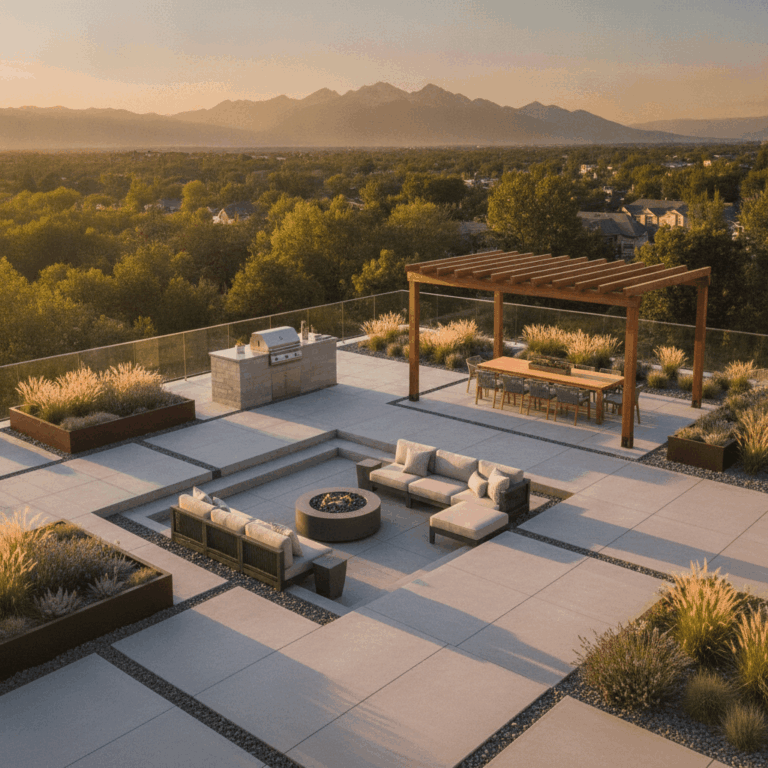
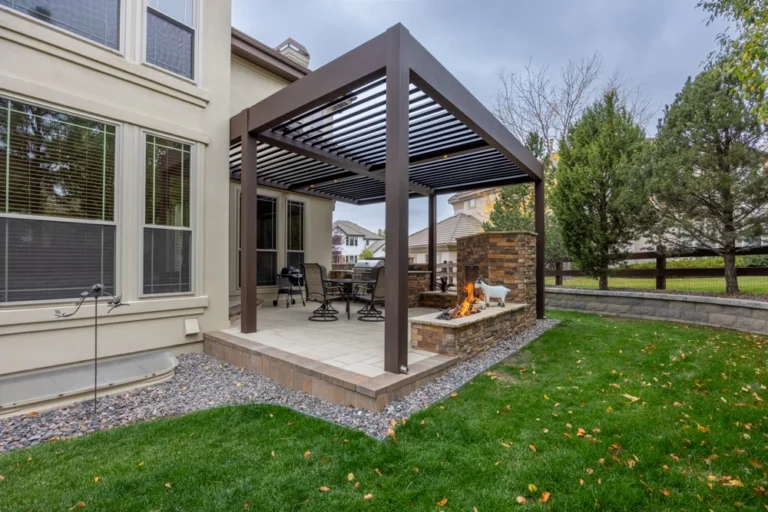
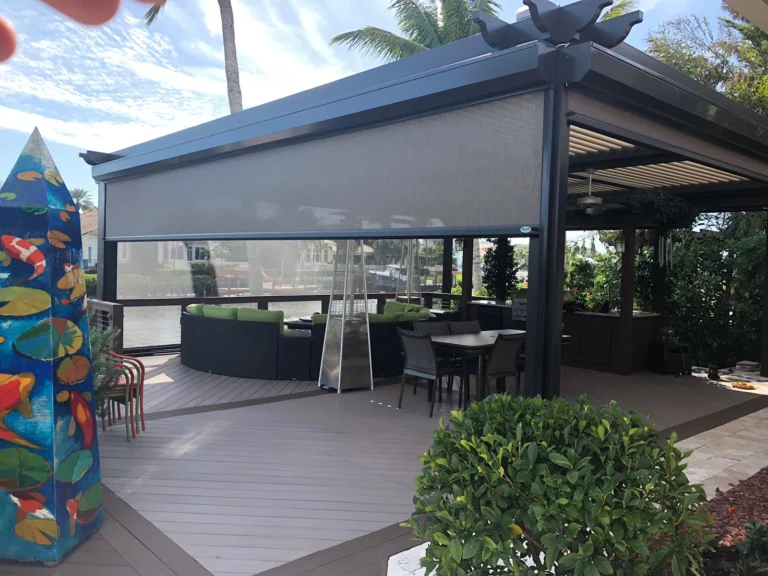
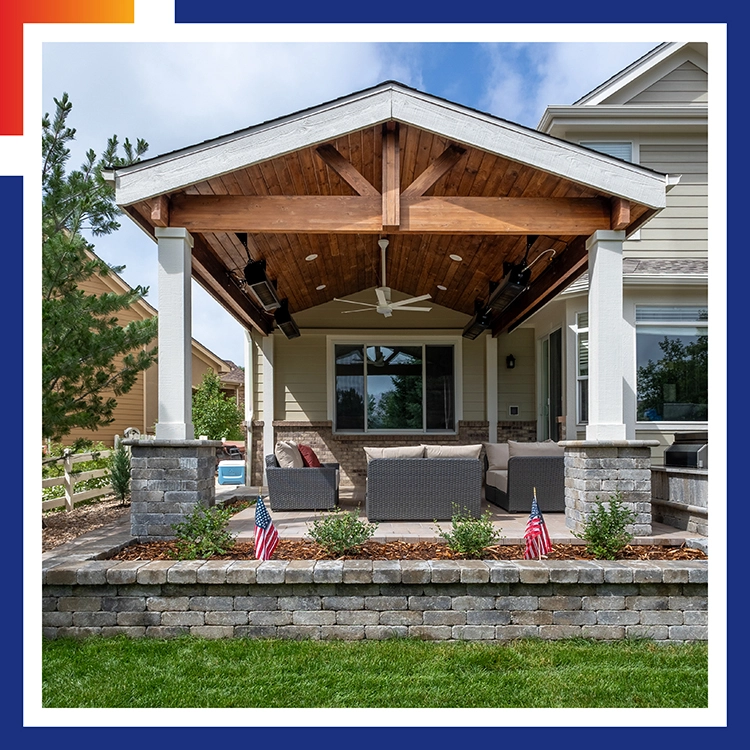
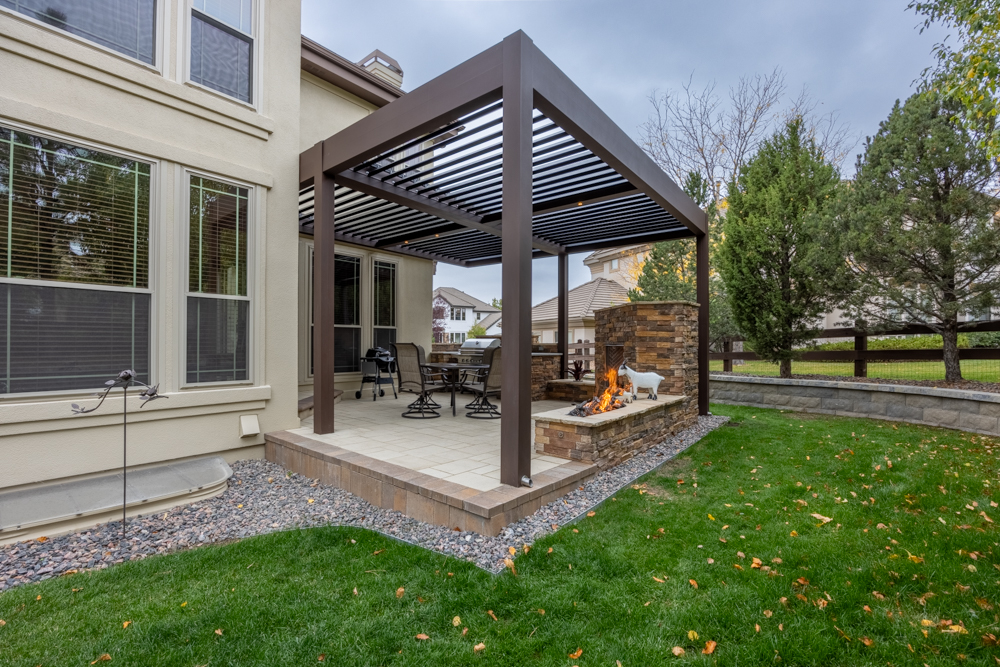
Both structures do the same basic job: they put something overhead so a patio or deck stays usable when the sun is high. The difference is what happens the rest of the time. A fixed pergola makes one decision about light and holds it. A louvered pergola lets you change that decision through the day.
On the Front Range that matters more than it does in milder climates. Sun intensity at altitude is high, afternoon storms arrive quickly in summer, and shoulder seasons swing thirty degrees between noon and evening.
How Each One Handles Sun
Placeholder body copy. A fixed pergola’s shade pattern depends entirely on rafter spacing and orientation, which means the design work happens up front. A louvered roof shifts from open sky to full shade in under a minute.
Placeholder pull quote. A short line worth slowing down for, drawn from the body of the article.
Weather, Snow Load, and Maintenance
Placeholder body copy covering structural considerations, drainage, and what each system asks of you over a ten-year horizon.
- Placeholder list item about snow load and post sizing.
- Placeholder list item about integrated gutters and where water goes.
- Placeholder list item about finish, fasteners, and annual upkeep.
Choosing Between Them
Placeholder closing section. The right answer usually comes down to how the space is used, how much of the year it needs to work, and how the structure relates to the architecture of the house.