Retaining walls can do much more than hold back soil. For Denver homeowners, they can help manage sloped yards, improve drainage, create usable outdoor space, and add structure to a landscape.
But not every property needs one.
If you are planning a patio, landscape renovation, new deck, or complete outdoor living project, understanding when a retaining wall is useful can help you make better decisions before construction begins. At Inside Outside Spaces, we design and build outdoor environments throughout Denver and the Colorado Front Range, including retaining walls that are integrated into larger landscape and hardscape plans.
Here is what homeowners should know.
What Is a Retaining Wall?
A retaining wall is a structure built to hold soil in place when there is a change in elevation. In a sloped yard, gravity naturally pushes soil downhill. A retaining wall helps resist that pressure, creating a more stable transition between higher and lower areas.
Retaining walls can be built from a variety of materials, including concrete block, natural stone, segmental wall systems, and other hardscape materials. They may be used for structural purposes, aesthetic purposes, or both.
Signs You May Need a Retaining Wall
There are several common situations where a retaining wall may make sense.
Your Yard Has a Significant Slope
Sloped properties can be difficult to use.
If your backyard drops off sharply or rises quickly away from the house, you may have limited space for patios, gardens, seating areas, or other outdoor features.
A retaining wall can help create level sections within the yard, making the property more functional and easier to design.
This is one of the most common reasons Denver homeowners consider retaining walls.
You Are Experiencing Soil Erosion
If soil is repeatedly washing downhill, accumulating in lower areas, or disappearing from planting beds, erosion may be a concern.
Retaining walls can help stabilize slopes and reduce soil movement, especially when they are combined with proper grading and drainage.
However, a wall should not be viewed as a stand-alone solution to every drainage problem. Water management should be considered as part of the overall design.
Water Is Collecting in the Wrong Places
Pooling water can indicate grading or drainage issues.
If water is moving toward the home, washing across a patio area, or collecting at the base of a slope, a retaining wall may be one component of a broader drainage solution.
The goal is not simply to block water. The landscape should be designed to control where water travels and how it exits the property.
You Want to Create a Level Patio or Outdoor Living Area
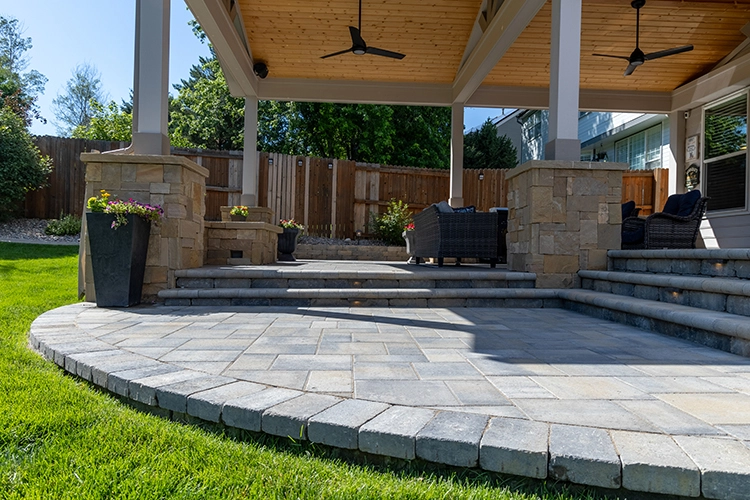
Retaining walls are often used when homeowners want to build patios or outdoor living features on sloped terrain.
For example, a wall may allow a contractor to create a flatter surface for:
- Paver patios
- Outdoor kitchens
- Fire features
- Seating areas
- Pergolas
- Play spaces
- Garden areas
Instead of working around a difficult slope, the property can be reshaped into more usable zones.
Your Existing Retaining Wall Is Failing
Older retaining walls can deteriorate over time.
Common warning signs include:
- Leaning or bowing
- Cracking
- Loose or shifting blocks
- Soil pushing through gaps
- Water collecting behind the wall
- Separation from adjoining structures
- Visible erosion around the base
A failing retaining wall should be evaluated rather than simply covered up or cosmetically repaired.
Why Retaining Walls Matter in Denver
Colorado properties can present unique design challenges. The Denver area includes a wide range of soil conditions, slopes, drainage patterns, and freeze-thaw cycles. These factors can affect how retaining walls, patios, and other hardscape elements perform over time.
A properly designed retaining wall needs to account for more than its visible face. The base, drainage, backfill, height, soil pressure, and surrounding grade all influence performance.
That is why retaining walls should be planned as part of the entire site rather than treated as a decorative feature alone.
Retaining Walls Can Create More Usable Space
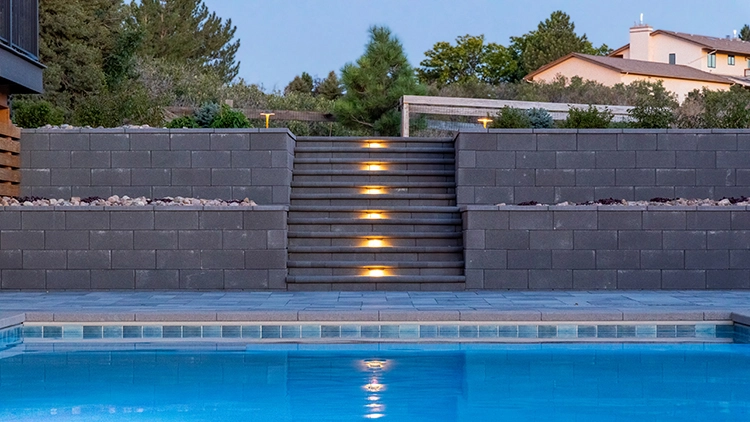
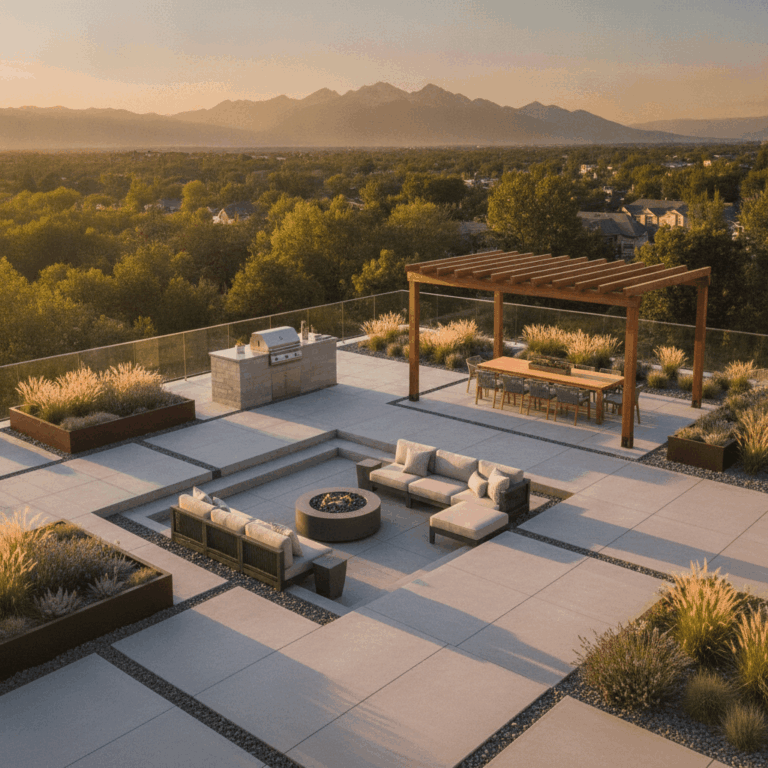
One of the biggest benefits of a retaining wall is the ability to turn an awkward slope into a functional outdoor space. For example, a steep backyard could potentially be divided into separate terraces.
The upper level might contain a dining patio. A lower level could include a fire feature, garden, or seating area. Steps, walkways, landscaping, and walls can connect the areas together.
This type of design can make a sloped property feel larger because more of the yard becomes usable. It can also create visual interest by introducing different levels and defined outdoor rooms.
Retaining Walls Can Be Part of the Design
A retaining wall does not have to look purely functional. Materials, color, texture, and layout can help the wall complement the home, patio, and surrounding landscape.
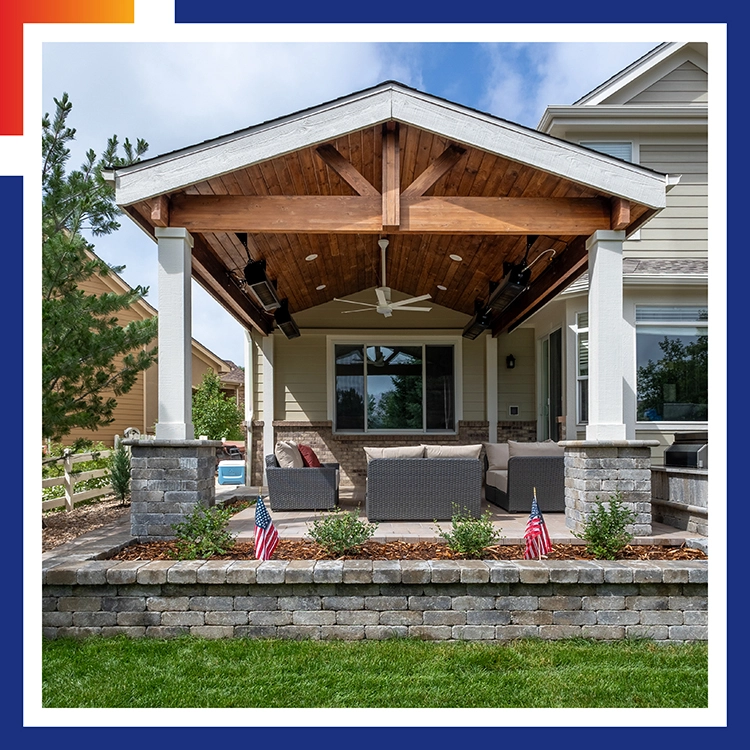
For example, a retaining wall may be built using materials that coordinate with pavers elsewhere in the project. Wall caps can create a finished appearance, and some low walls may also serve as seating edges depending on the design.
Planting beds can soften taller walls and make them feel more integrated into the landscape. The strongest results usually come from designing the wall alongside the rest of the outdoor space.
Retaining Wall vs. Landscape Wall: What’s the Difference?
The terms are sometimes used interchangeably, but there can be an important distinction.
A retaining wall is generally designed to hold back soil and resist lateral pressure. Depending on its height, location, and design, it may require engineering or permits.
A low landscape wall may primarily be decorative. It could define a garden bed, separate materials, or create a border without supporting a substantial amount of soil.
If a wall is supporting a significant change in grade, it should be treated as a structural element rather than simple landscaping.
Does a Retaining Wall Need Drainage?
In many cases, yes. Water collecting behind a retaining wall creates pressure. Without appropriate drainage, that pressure can contribute to movement, bulging, or failure.
A retaining wall system may include drainage stone, drainpipe, appropriate backfill, and other methods of allowing water to escape.
The exact approach depends on the wall, soil, site, and surrounding drainage. Proper drainage is one reason retaining wall construction requires more planning than simply stacking blocks.
Do Retaining Walls Require Permits in Denver?
Permit requirements can depend on the wall’s height, location, loads, and whether it supports structures or slopes. Rules can also vary between Denver and surrounding municipalities.
If a retaining wall is part of a larger outdoor construction project, permitting requirements should be reviewed during the planning stage. Larger or more complex walls may also require engineering.
Inside Outside Spaces can help coordinate permitting considerations as part of a broader design-build project.
How Much Does a Retaining Wall Cost?
Retaining wall pricing varies significantly.
Cost factors can include:
- Wall height and length
- Material
- Excavation
- Access to the site
- Soil conditions
- Drainage
- Engineering requirements
- Number of tiers
- Steps or integrated features
- Existing structures
- Demolition or removal of an old wall
A simple decorative wall and a tall structural retaining wall are very different projects, so square-foot pricing alone may not provide an accurate estimate.
An on-site evaluation is usually the best way to determine realistic project costs.
Should a Retaining Wall Be Planned Before a Patio?
If the wall affects the patio’s grade, drainage, or usable footprint, it should generally be considered early in the design process.
Building a patio first and addressing a slope later can limit options or require sections of the finished work to be modified.
For larger backyard projects, master planning can help determine how retaining walls, patios, decks, landscaping, and structures should relate to one another before construction begins.
FAQs About Retaining Walls
How do I know if my yard needs a retaining wall?
A retaining wall may be useful if your property has a steep slope, erosion, drainage challenges, or limited level space. It may also be necessary to support a patio, landscape bed, or other outdoor feature.
Can a retaining wall stop erosion?
A retaining wall can help stabilize soil, but erosion should be evaluated along with grading and drainage. Water management is often an important part of the solution.
How long do retaining walls last?
A well-designed retaining wall can last for decades. Longevity depends on the materials, base preparation, drainage, soil conditions, and quality of construction.
Can retaining walls make a small yard more usable?
Yes. Retaining walls can create terraces and level areas, which may make a sloped or awkward yard much more functional.
Can you build a patio next to a retaining wall?
Yes. Retaining walls are often incorporated into paver patios and other hardscape designs. The wall and patio should be planned together so drainage, elevations, and materials work as one system.
Do retaining walls need maintenance?
Maintenance depends on the material and wall design. Homeowners should watch for movement, drainage issues, erosion, cracking, or shifting and address concerns before they become larger problems.
Plan Your Retaining Wall as Part of the Bigger Picture
A retaining wall can solve practical problems, but it can also shape the way your entire outdoor space looks and functions.
If your Denver property has slopes, erosion, drainage concerns, or limited usable space, a thoughtfully designed retaining wall may help create a more stable and functional backyard.
Inside Outside Spaces brings more than 30 years of experience designing and building custom outdoor environments throughout Denver and the Colorado Front Range. Our team can help coordinate retaining walls with paver patios, landscaping, outdoor kitchens, fire features, decks, pergolas, and other outdoor living elements.
If you are considering a retaining wall or larger backyard renovation, contact Inside Outside Spaces to schedule a consultation and start planning your space.